Introduction: Setting the Stage
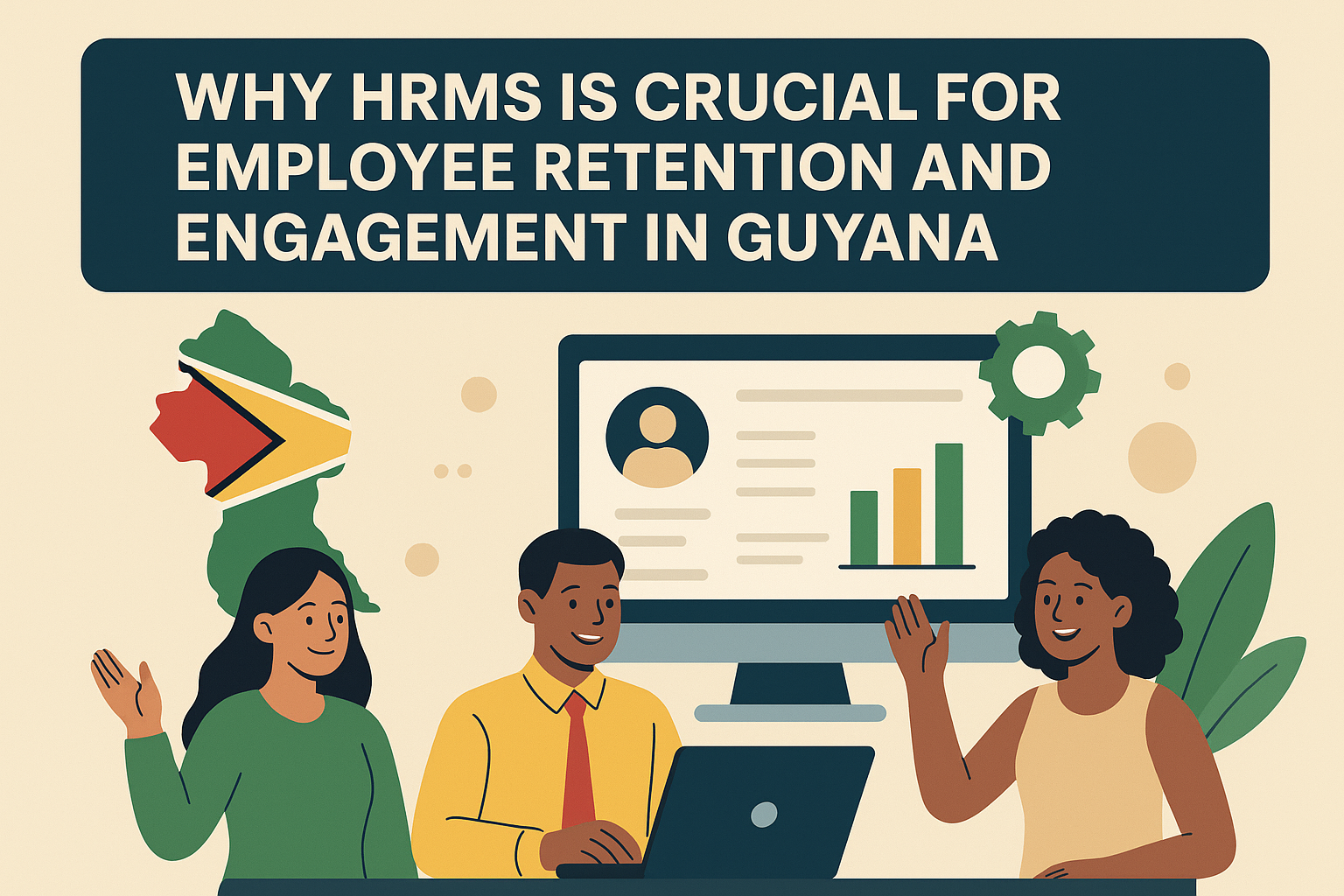
Employee turnover is costly, both financially and culturally, for organisations worldwide. In Guyana, where businesses are rapidly modernising, retaining skilled talent has become a top priority. Traditional HR methods are no longer enough to meet the evolving expectations of today’s workforce. That’s where a Human Resource Management System (HRMS) comes into play. By combining automation, analytics, and engagement tools, HRMS platforms are transforming how companies in Guyana manage their people—and most importantly, how they retain them.
To highlight why HRMS matters, let’s explore the connection between employee retention, engagement, and the role of digital transformation, with a nod to how app development services power this journey.
1. Employee Expectations Are Changing in Guyana
Guyana’s growing economy, fueled by industries like oil, construction, and services, has created a competitive job market. Skilled employees now have multiple opportunities, which means companies must rethink how they attract and retain talent.
Employees today want more than just a paycheck—they seek recognition, growth opportunities, work-life balance, and transparent communication. A human resource management system bridges these needs by offering features like:
- Employee self-service portals for transparency.
- Digital recognition platforms to celebrate achievements.
- Learning and development modules for career growth.
When employees feel valued and supported, they’re more likely to stay with their employer long-term.
2. HRMS: Beyond Payroll and Attendance
Many organisations mistakenly assume HRMS is only about payroll processing or leave management. In reality, modern HRMS tools are strategic enablers that directly influence employee engagement.
Key Features That Support Engagement:
- Onboarding Tools: Smooth integration of new hires sets the tone for retention.
- Performance Management Systems: Continuous feedback loops instead of outdated annual reviews.
- Analytics Dashboards: Data-driven insights into employee satisfaction and turnover trends.
- Wellness Modules: Employee surveys, stress tracking, and work-life initiatives.
For companies in Guyana aiming to reduce attrition, adopting these HRMS features creates a healthier and more engaging workplace.
3. The Link Between HRMS and Retention
Retention is not just about preventing resignations—it’s about building loyalty. An HRMS ensures:
- Clarity: Employees have clear visibility into their career progression, salary structures, and benefits.
- Consistency: Policies and updates are communicated uniformly, reducing misunderstandings.
- Connection: Tools like internal messaging, recognition boards, and peer feedback systems foster community.
Imagine an employee considering a job switch. If they already feel heard, appreciated, and supported through a strong HRMS system, the likelihood of them leaving decreases significantly.
4. Guyana’s Digital Leap and the Role of App Development Services
The shift toward digital workplaces in Guyana has created demand for localised HR solutions. This is where app development services become critical.
Businesses don’t always need a one-size-fits-all HRMS; they need systems tailored to the unique labour laws, cultural expectations, and industry dynamics of Guyana. App development companies are now:
- Designing mobile-friendly HRMS platforms for remote and field workers.
- Creating dashboards customised for local compliance and reporting.
- Building apps that integrate HR data with payroll, tax, and social security requirements.
By leveraging modern app development, HRMS can be scaled to match both small startups and large enterprises in Guyana, ensuring maximum impact on retention strategies.
5. A Story of Engagement: From Problem to Solution
Scenario: A mid-sized company in Georgetown struggled with high turnover in its sales department. Exit interviews revealed recurring complaints: lack of recognition, unclear career paths, and cumbersome leave approval processes.
Solution: The company adopted a cloud-based human resource management system with built-in recognition boards, transparent promotion pathways, and mobile leave requests.
Result: Within six months, employee satisfaction scores rose by 35%, and voluntary turnover dropped by 20%. Engagement activities tracked through the HRMS showed consistent participation, reinforcing that when systems are designed to support employees, retention naturally improves.
6. HRMS as a Competitive Advantage in Guyana
As multinational companies enter Guyana’s growing economy, local businesses need every edge to retain their top talent. Offering an efficient HRMS isn’t just about administration—it signals to employees that the organisation values modernisation, transparency, and employee experience.
Retention strategies are no longer about perks alone. Employees want seamless digital experiences in the workplace, much like they have in their personal lives. HRMS delivers that, becoming a competitive advantage in attracting and keeping talent.
7. Practical Steps for Businesses in Guyana
If your organisation is considering an HRMS, here’s how to begin:
- Assess Employee Needs – Conduct surveys to understand retention pain points.
- Choose Scalable Solutions – Opt for HRMS platforms that grow with your company.
- Leverage Local App Development Services – Customise solutions to align with Guyana’s workforce and compliance needs.
- Train HR Teams – Ensure adoption through proper training and change management.
- Measure Success – Use analytics within the HRMS to track engagement and retention improvements.
Conclusion: Building Loyalty Through Technology
Employee retention and engagement are no longer just HR buzzwords—they’re survival strategies in a competitive market like Guyana. A human resource management system provides the tools to keep employees motivated, connected, and loyal. With the added support of app development services, businesses can create HRMS platforms that speak directly to the needs of the Guyanese workforce.
By investing in HRMS, organisations in Guyana don’t just reduce turnover; they create workplaces where employees want to belong—and that’s the real key to long-term success.